Precautions for Fabric Pilling Testing
There are four main methods for fabric pilling testing: the random tumble pilling method, the Martindale abrasion and pilling method, the pilling box method, and the circular locus method. The corresponding standard is GB/T 4802.3.
**I. Test Procedure**
**1. Specimen Preparation**
(1) **Pre-treatment:** If pre-treatment is required, the samples may be washed or dry-cleaned by a method agreed upon by both parties. (Pre-treatment is recommended to protect the pilling box lining and specimen tubes from lubricants or finishing agents remaining on the fabric.)
(2) Cut four specimens from the fabric sample. Also, cut another piece of fabric of the same size to serve as the reference sample for grading. Fold two specimens lengthwise with the face side inward, and fold the other two specimens widthwise with the face side inward. Sew them together using a sewing machine, 12 mm from the edge.
(3) Turn the sewn specimens inside out, so the face side is on the outside. Cut a 6 mm notch at each end of the specimen tube to remove any sewn distortion. Fit the specimen over the polyurethane specimen tube and secure it with PVC tape. (Ensure that 6 mm of polyurethane is exposed at each end. The tape should not exceed 1.5 times the circumference of the tube.)
**2. Test Procedure**
(1) Clean the pilling box.
(2) Place the four prepared specimen tubes into the box, close the lid securely, and set the counter to the required number of revolutions.
(3) Set the number of revolutions according to the agreed protocol. If not specified, set to 7200 revolutions for woollen fabrics and 14400 revolutions for worsted fabrics.
(4) Start the pilling box. After the test is complete, remove the specimens, remove the stitching, and proceed with grading.
**3. Evaluation**
Under a standard light source, grade the specimens by comparing them with standard photographs. Several evaluators should compare the specimens with the standard photographs in a viewing cabinet. The result is the specimen's pilling grade. The standard photograph method uses five grades, from 1 to 5. The lower the grade, the more severe the pilling, and the higher the grade, the better the pilling resistance.
**II. Precautions**
1. Maintain a stable voltage during use to avoid damaging the power supply.
2. Regularly clean the cork liners with a suitable cleaning solvent, such as industrial methylated spirit or trichloroethylene.
3. When replacing test tubes, new tubes should be inspected before use.
4. Periodically check the control panel buttons and screws on all parts to ensure they are functioning correctly.
5. Clean the instrument before and after each test, ensuring all lint and debris are removed from the box.
6. Every six months, re-test the reference fabric and compare the results with the initial test.
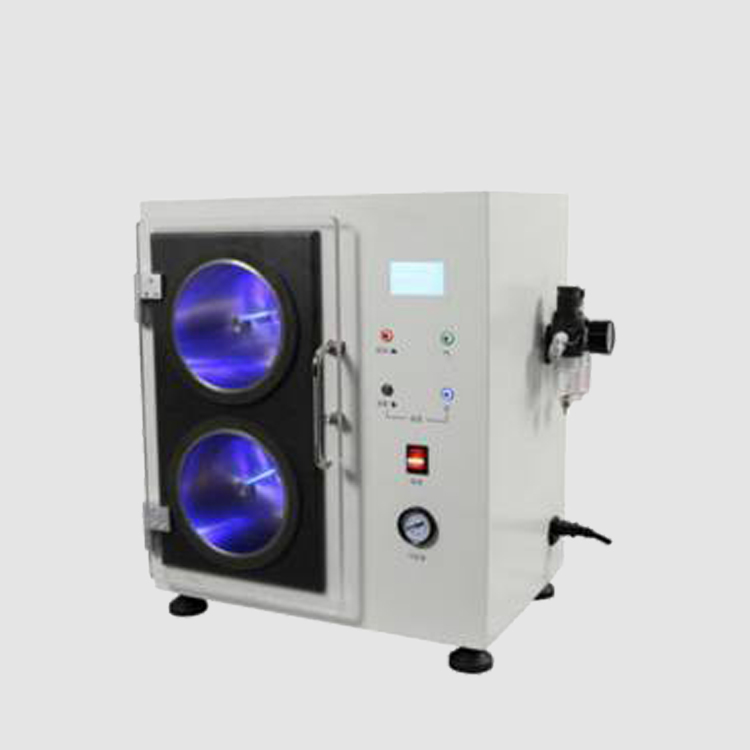
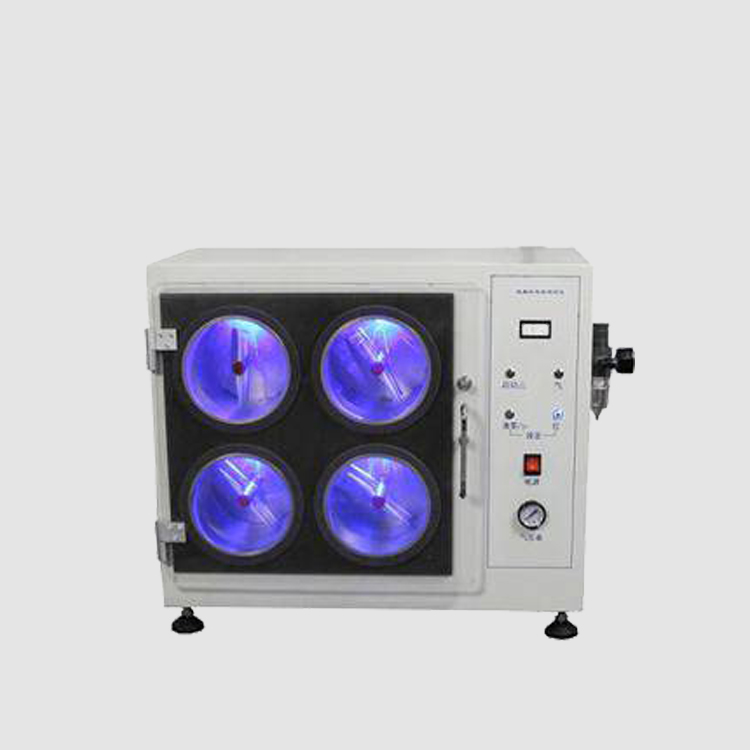
**YG227-II Random Tumble Pilling Tester** **YG227 Random Tumble Pilling Tester**
织物起毛起球测试试验的注意事项 织物起毛起球测试的方法主要四种:乱翻式起毛起球测试法、马丁代尔耐磨试验法、滚箱式起毛起球法和圆轨迹起毛起球法,依据标准为GB/T4802.3。
一、试验过程:
1.试样的制作:
(1)预处理:如需预处理,可采用双方协议的方法进行水洗或干洗样品。(为了保护起球箱的摩擦面和试样管免受织物上残留润滑剂或整理剂的影响,建议预处理)
(2)从织物样品上剪取4个试样,另剪一块尺寸相同的布样作为评级所需的对比样。2块试样沿纵向正面向内折叠,2块试样沿横向正面向内折叠,在距边12毫米除用缝纫机进行缝合。
(3)将缝合试样外翻,正面朝外。在试样管两端各剪6毫米端口,以去掉缝纫变形。将试样套在聚氨酯载样管上,并用PVC胶带固定(保证聚氨酯两端各有6毫米裸露,胶带长度不应超过聚氨酯管周长的1.5倍)。
2.试验步骤:
(1)清洁起球箱
(2)将4个套好的栽样管放进箱内,牢固地关上箱盖,将计数器拨到所需转动次数。
(3)预置转动数。协议次数。无协议情况下,粗纺织物翻转7200转,精仿织物翻转14400转。
(4)启动起球箱,试验完毕后,取出试样,出去缝线,进行试样评级。
3.等级评价:
在标准光源下,与标准样照对照评级,即让多位评级者在评级箱内,把试样与标准样照对比分析,以此结果作为该试样的起毛起球等级。样照法采用五个等级,分别为1-5,级数越小表示起毛起球最严重,反之抗起毛起球性能越好。
二、注意事项:
1、使用时应保持稳定电压,避免烧坏电源;
2、定期用合适的清洗溶剂清洁软木衬垫,如工业甲基化精神或三氯乙烷;
3、更换实验管时,新的实验管需要检查完后才能使用;
4、定期检查控制面板按键以及各部位螺丝是否正常;
5、每次实验前和试验后需清洁仪器,确保所有的绒毛和碎屑从盒子里删除;
6、每六个月参照织物都应该重新测试,并与最初的测试标本。

YG227-Ⅱ型乱翻式起球测试仪 YG227型乱翻式起球测试仪