What to Do When the Tensile Testing Machine Fixture Slips
**In the field of material testing, the tensile testing machine is a very commonly used instrument. Whether for material development or to verify performance compliance, an electronic tensile testing machine is essential. It can test the mechanical properties of various materials, such as tensile strength, bending, compression, shear, and tear resistance. However, various problems can arise during sample operation, with fixture slippage being a common issue. So, what are the causes of fixture slippage in a tensile testing machine, and how can it be resolved? Let's explore this with insights from Hongtuo:**
**I. Analysis of Causes for Tensile Testing Machine Sample Slippage**
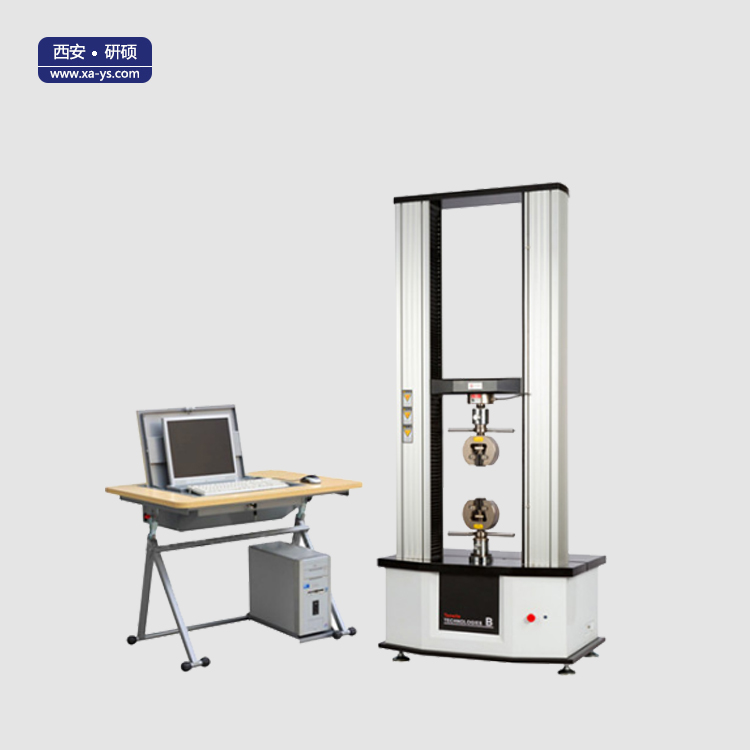
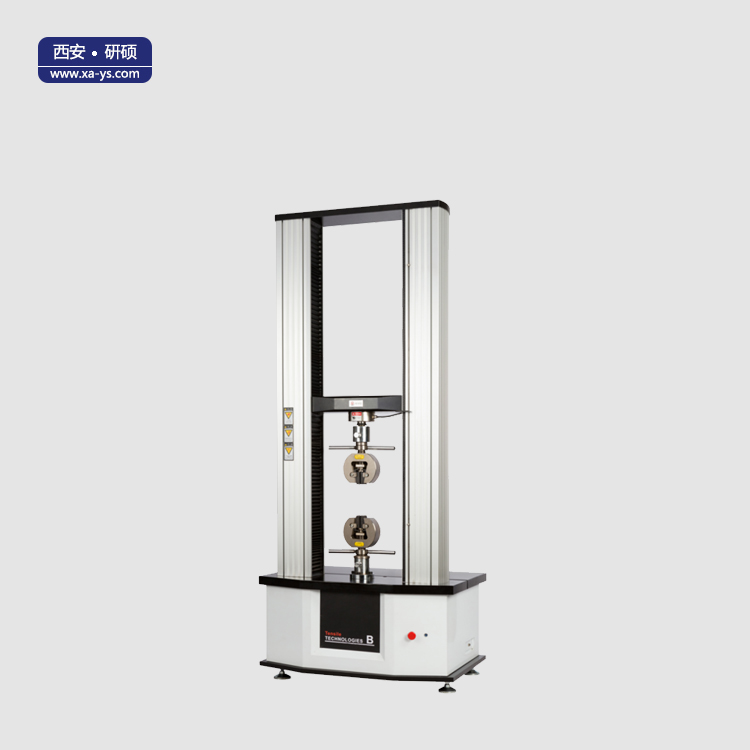
**1. Insufficient Sample Gripping Length**
The correct gripping method for a tensile testing machine fixture is as follows: when the gripping length of the sample equals the length of the fixture's toothed surface, use an external force to push the jaws, generating initial friction on the gripping surface. As the electronic tensile machine's crosshead moves and loads the sample, the friction pulls the jaws. Due to the inclined plane design, a greater axial pulling force results in a stronger clamping force. The wedge-shaped mouths of the fixture body, featuring two inclined planes, are precisely designed based on this gripping principle to withstand uniform compressive stress.
If the operator fails to correctly clamp the sample according to requirements, resulting in insufficient gripping length (or if the sample itself is too short), the force on the inclined planes becomes uneven, leading to slippage.
**2. Improper Selection of Fixture Jaws**
Using large-sized jaws to clamp a small cross-section sample, or using flat-faced jaws to clamp a large sample, can result in insufficient contact between the fixture and the sample, which can also easily cause slippage.
**II. Solutions for Tensile Testing Machine Sample Slippage**
**1. Standardize Operating Procedures**
To address issues like insufficient sample gripping length and improper jaw selection, the operating procedures for electronic tensile testing machines must specify:
- "The gripping length of the tensile sample shall not be less than the length of the fixture's toothed surface."
- "Do not use large-section jaws to clamp small cross-section samples or use flat-faced jaws to clamp large samples."
Operators must strictly adhere to these procedures.
**2. Repair the Wedge-Shaped Inclined Plane**
If the wedge block undergoes plastic deformation, severe flaring, collapse, or wear of its inclined plane, it should be repaired promptly. Common repair methods include:
a) **Inlay:** Machine off approximately 10 mm from the wedge block's inclined plane according to the original design angle using a slotting machine. Inlay a polished, hardened steel plate into this area. This method slightly reduces the design strength of the fixture body but yields good results for long-term use.
b) **Build-Up Welding:** Build up the collapsed or worn area of the wedge block's inclined plane using welding, then restore it to its original shape with a slotting machine. The hardness and strength of the repaired area will generally be improved. Proper fixture usage should be maintained afterward.
c) **Install a Debris Prevention Device:** To prevent scale from falling into the wedge block inclined plane during tensile testing of metal samples, install two rubber pieces above the wedge. This effectively reduces scale ingress. Additionally, apply butter or grease to the wedge block inclined plane, and periodically clean and re-lubricate the fixture.
The above provides relevant techniques for handling fixture slippage in tensile testing machines. When you choose a Xi'an Yanshuo Instrument tensile testing machine, our dedicated after-sales service ensures smoother and more reliable testing!
在材料检测方面,拉力试验机是十分常用的,材料不管是研发还是检测的性能合格,都是需要电子拉力试验机来进行测试,拉力机能够测试各种材料的力学性能试验,比如拉伸、弯曲、压缩、剪切、撕裂等,在操作测试样品的时候会出现各种问题,其中拉力机夹具打滑这问题会出现,那造成拉力试验机夹具打滑的原因有哪些呢?拉力机试样打滑处理办法又有哪些?由宏拓小编为你介绍:
一、拉力试验机试样打滑的原因分析
1、试样夹持长度较短
拉力机夹具的正确夹持方式是在试样的夹持长度与夹具齿面长度相同时,先借助外力推动钳口,使其在夹持面上产生初始摩擦力,再通过电子拉力机横梁的移动对试样加载,摩擦力拉动钳口,时由于斜面的作用,轴向拉力越大,产生夹持力也越大,夹具体上有两个斜面的楔形口正是依据上述夹持方式,按照接受均匀压应力设计的。
拉力机操作人员没有按照要求正确夹持试样,夹持长度较短,或是试样本身就较短,导致楔形口斜面受力不均,出现打滑现象。
2、夹具的钳口选择不当
如果使用大规格钳口夹持小截面的试样,或者使用平夹头夹持大试样,导致夹具与试样接触不牢靠,也容易出现打滑现象。


二、拉力试验机试样打滑处理办法
1、规范操作规程
针对试样夹持长度较短和夹具的钳口选择不当,在电子拉力试验机的操作规程中,必须规定:“拉伸试样的夹持长度,不得小于夹具齿面的长度”和“不准使用用于大截面的钳口夹持小截面试样或使用平夹头夹持大试样”,操作人员必须按操作规程进行试验。
2、对楔形斜面进行修复
对楔形块产生塑性变形、严重外翻,使楔形块斜面塌陷或磨损的应及时进行修复,修复一般可以采取以下方法:
a、镶嵌:对楔形块斜面按原设计角度用插床去除10毫米,然后在此部位镶嵌一块磨光的淬火钢板这种方式对夹具本体的设计强度略有削弱,长期使用效果较好。
b、补焊:对楔形块斜面塌陷或磨损部分先进行补焊,然后用插床进行复原,补焊部位的硬度、强度一般会有所提高,以后注意正确使用夹具就可以了。
c、加防层装置:为了防止金属试样在拉伸过程中氧化铁皮落入楔形块斜面,可以在楔形上方安上两块橡皮块,这样就可以有效的减少氧化铁皮落入斜面,另外可以在楔形块斜面涂上黄油或润滑脂,并且定期对夹具进行擦洗和换油。
以上就是关于拉力机夹具打滑了怎么处理的相关技术,选购西安研硕仪器拉力试验机,专门售后为你服务,让你测试使用更顺心!