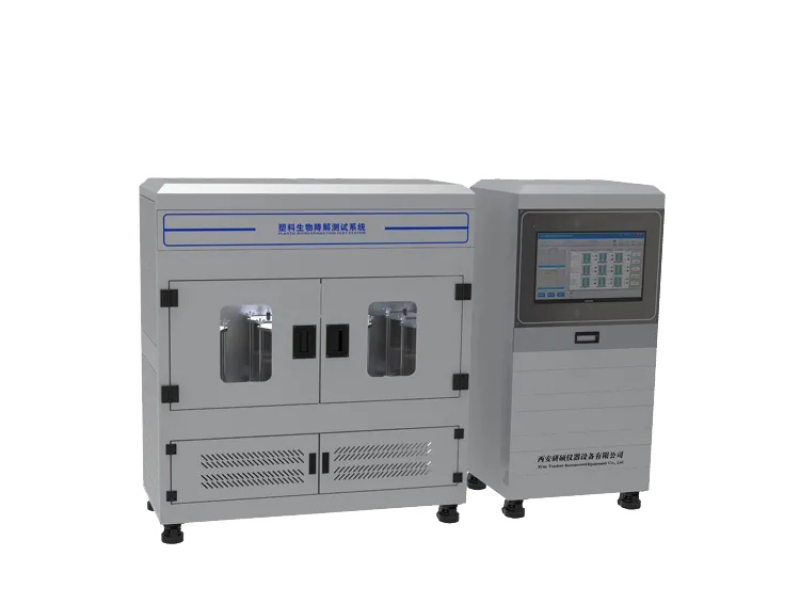
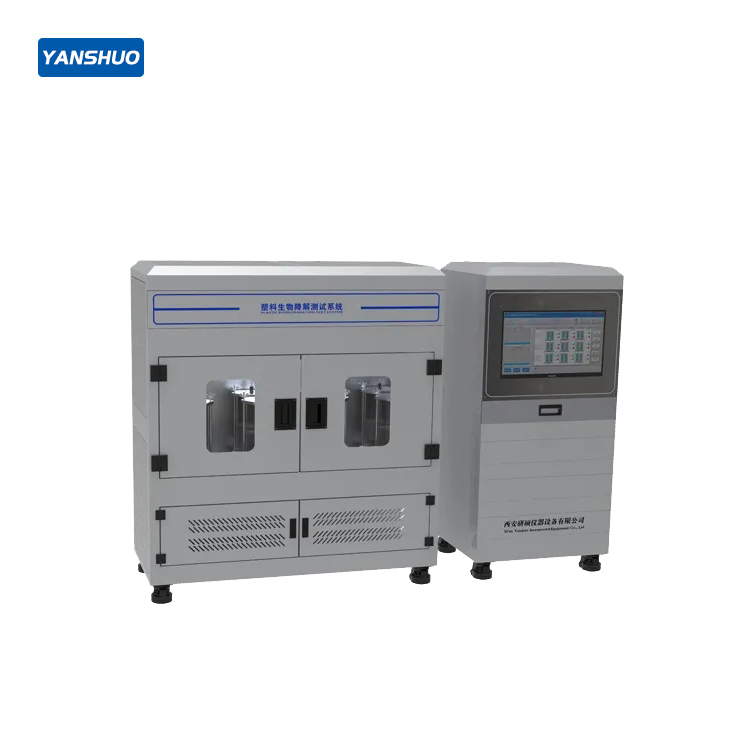
YS-5000SL Series Automatic Plastic Biodegradation Test System
Scope of Application
【Operating Instructions】
- Over the past century, few inventions have caused as much regret as plastic. While it has greatly facilitated daily life, the resulting "white pollution" from its resistance to decomposition remains a major global headache. With the growing emphasis on environmental protection and sustainable development, combating white pollution has become a priority for governments worldwide.Plastics are widely used in food packaging, textiles, communications, transportation, construction, and healthcare, making them one of the most important materials in the modern world. However, most are derived from petrochemicals. To ensure sustainable development and address global waste issues, the demand for eco-friendly plastics is surging. This includes bio-based plastics made from renewable resources and biodegradable plastics that decompose in natural environments.
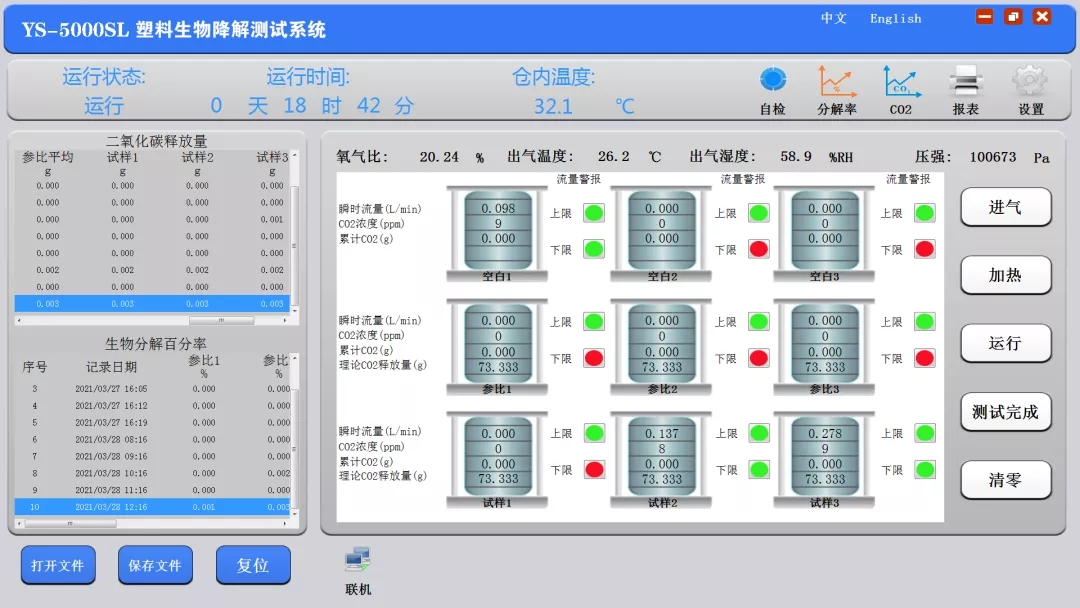
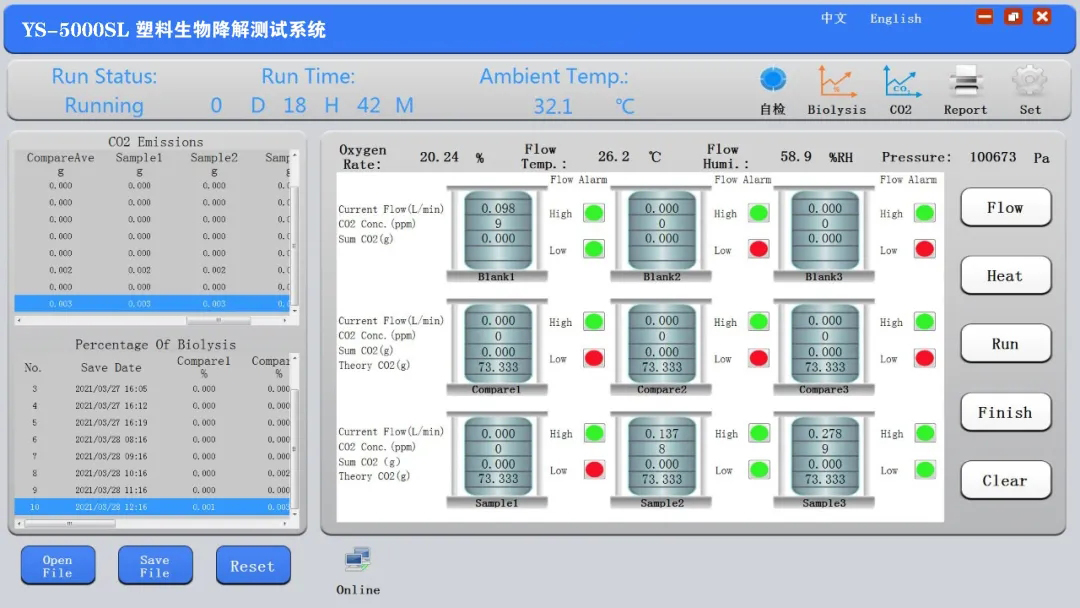
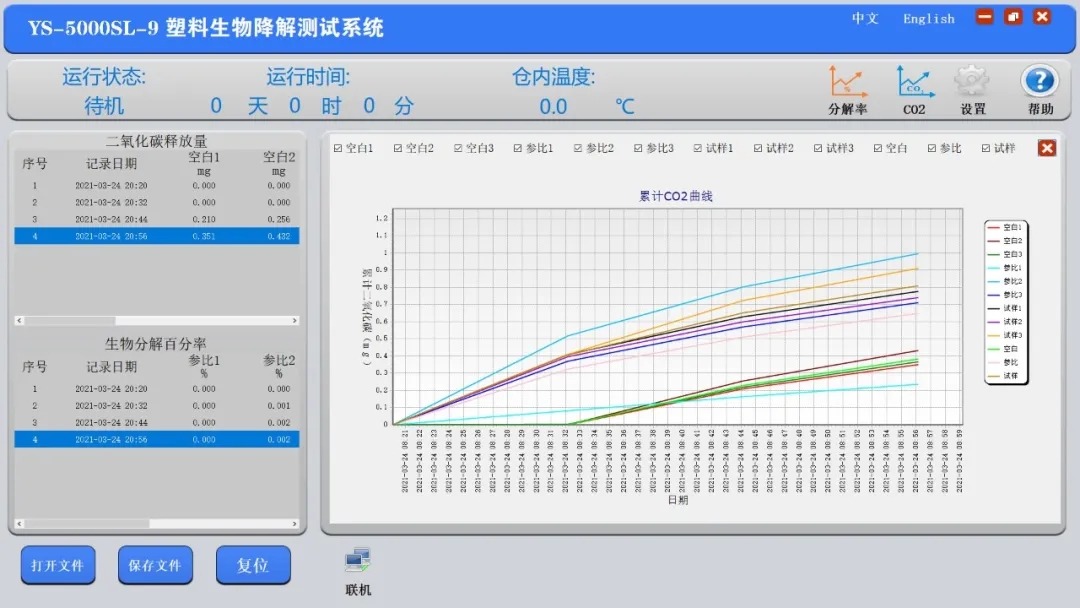
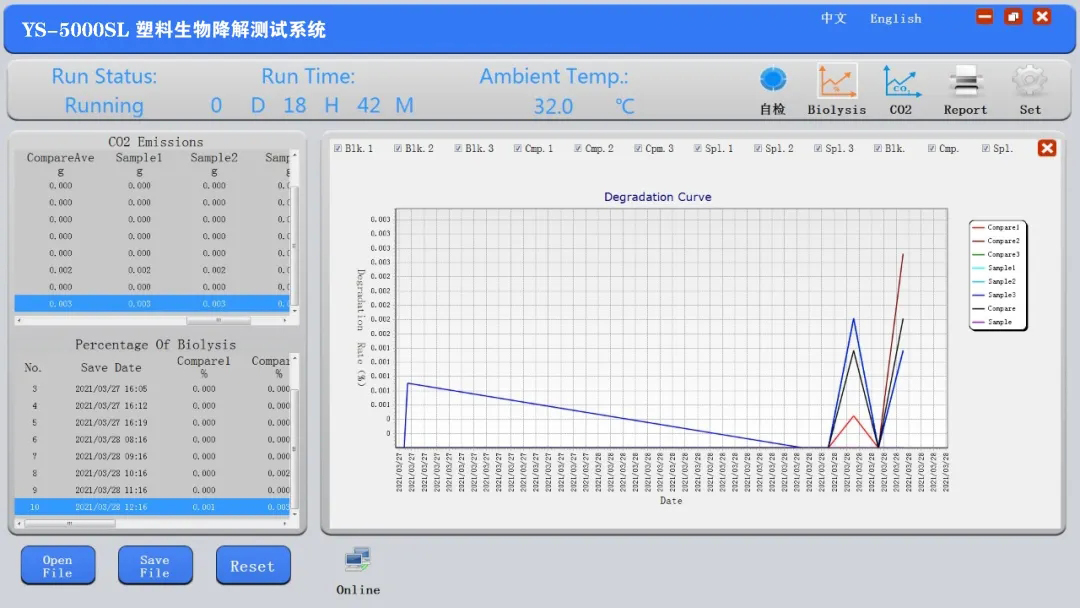
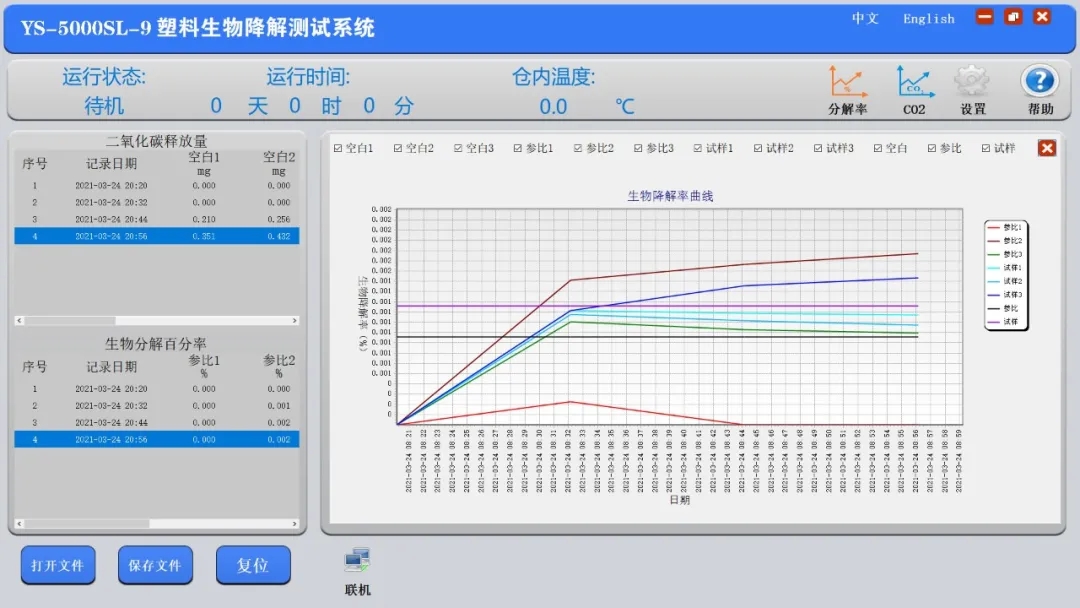
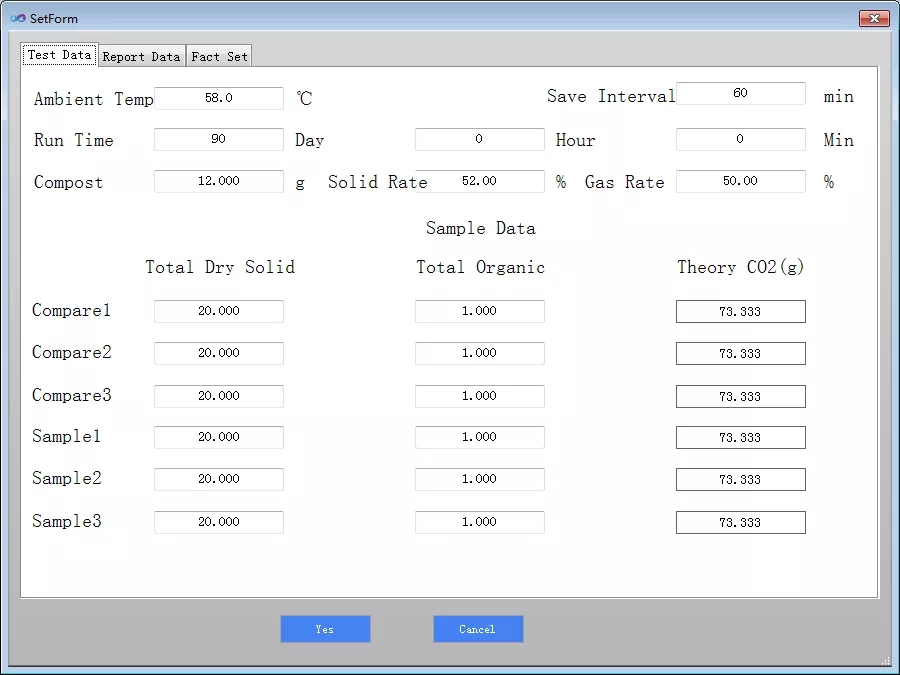
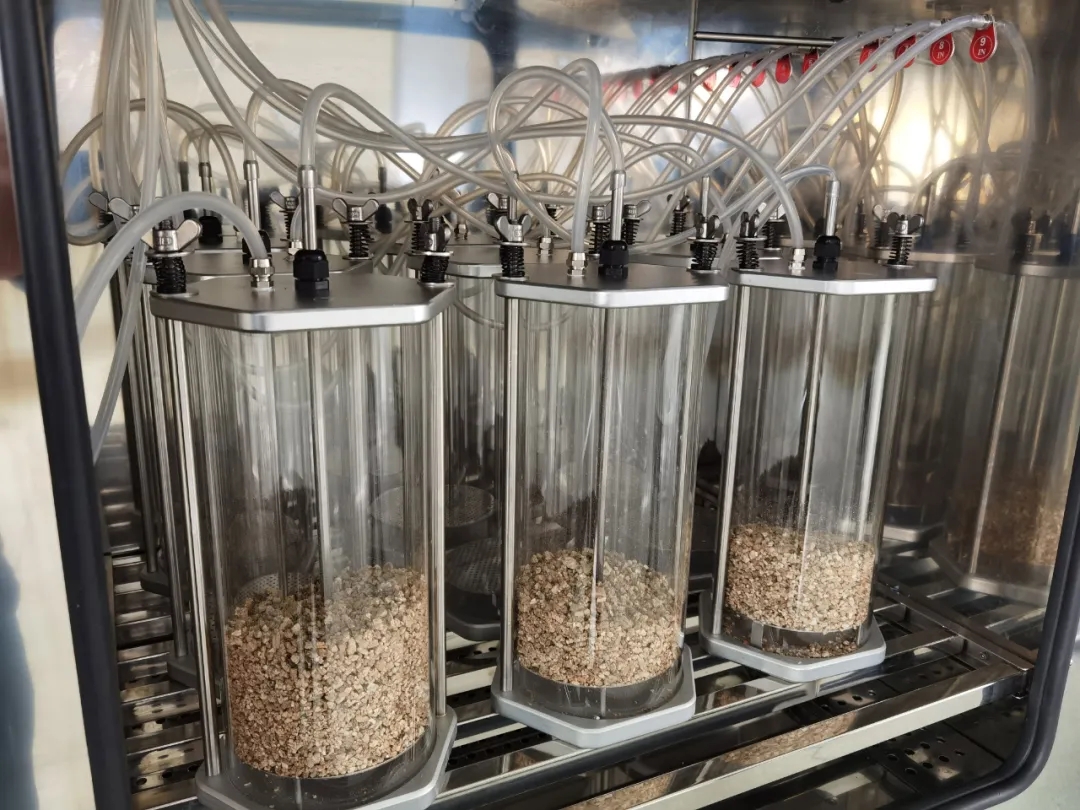
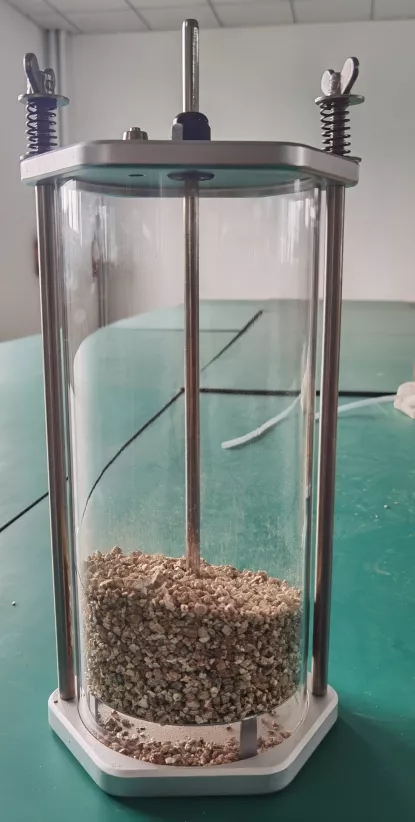
YS-5000SL Series Automatic Plastic Biodegradation Test System
Social Significance:
Over the past century, few inventions have caused as much regret as plastic. While it has greatly facilitated daily life, the resulting "white pollution" from its resistance to decomposition remains a major global headache. With the growing emphasis on environmental protection and sustainable development, combating white pollution has become a priority for governments worldwide.
Plastics are widely used in food packaging, textiles, communications, transportation, construction, and healthcare, making them one of the most important materials in the modern world. However, most are derived from petrochemicals. To ensure sustainable development and address global waste issues, the demand for eco-friendly plastics is surging. This includes bio-based plastics made from renewable resources and biodegradable plastics that decompose in natural environments.
Since 2020, China has intensified its policies on plastic pollution control, issuing strict guidelines to phase out traditional plastic products. Government agencies and state-owned enterprises are leading the adoption of degradable alternatives. By 2025, the production capacity of degradable plastic raw materials in China is expected to exceed 500,000 tons, with a projected market scale of 35.8 billion yuan. Biodegradable plastics are poised to become the primary alternative, offering environmental benefits such as reduced carbon emissions (40%-60% less than traditional plastics during incineration) and minimized release of harmful substances like dioxins.
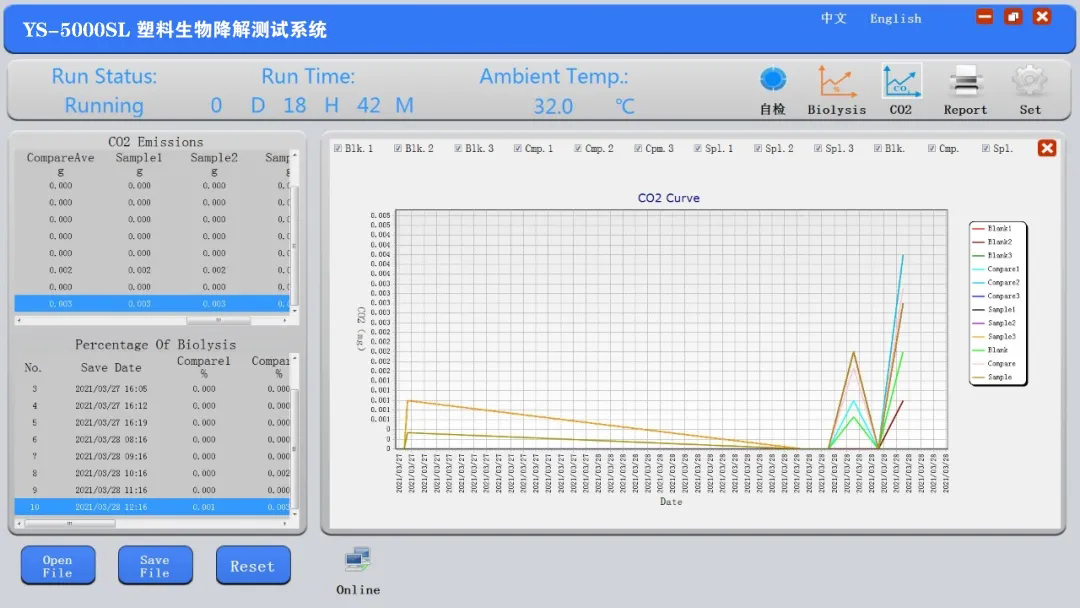
To support this critical research, our company has developed the YS-5000SL Series (Model: SL700D Series). This system determines the ultimate aerobic biodegradability and disintegration of materials under controlled composting conditions by measuring the amount of carbon dioxide (CO₂) evolved. Featuring mass flow controllers for precise gas flow regulation, independent fully automatic control systems, and real-time data analysis, the instrument allows for remote tracking of the entire degradation process. It offers automated gas flow detection, humidification, and leak testing, ensuring highly accurate and clear results.
Based on extensive market research, we offer the YS-5000SL-9D (9 channels), YS-5000SL-18D (18 channels), and YS-5000SL-36D (36 channels) to meet diverse client needs.
Applicable Scope:
Used to determine the ultimate aerobic biodegradability and disintegration of materials (treated as organic compounds) under controlled composting conditions by measuring the amount of carbon dioxide (CO₂) evolved.
The test material is mixed with an inoculum and introduced into a static composting vessel. The mixture undergoes intense aerobic composting at specified temperatures, oxygen concentrations, and humidity levels. During the process, CO₂, water, mineralized inorganic salts, and new biomass are produced. The instrument continuously monitors and periodically measures the CO₂ produced by both the test and blank vessels. The biodegradation percentage is calculated as the ratio of the actual CO₂ produced by the test material to its theoretical CO₂ production value (calculated based on Total Organic Carbon - TOC). Note that carbon converted into new cellular biomass is excluded from the biodegradation percentage as it is not metabolized into CO₂ within the test period. Additionally, the degree of disintegration and mass loss of the test material can be determined at the end of the test.

Instrument Features:
Continuous airflow aerobic device.
Equipped with imported UK gas sensors for real-time online testing of CO₂ and O₂ levels during the degradation process.
High measurement accuracy, capable of capturing minor changes in respiration rates.
Airtight sealed reactors with minimum flow volume measured in liters.
Precise control and measurement of gas flow in reactors using SMC/Dwyer rotameters combined with mass flow meters.
Automated gas flow detection, automatic humidification, and automatic leak testing.
Stirring device with adjustable time cycle settings.
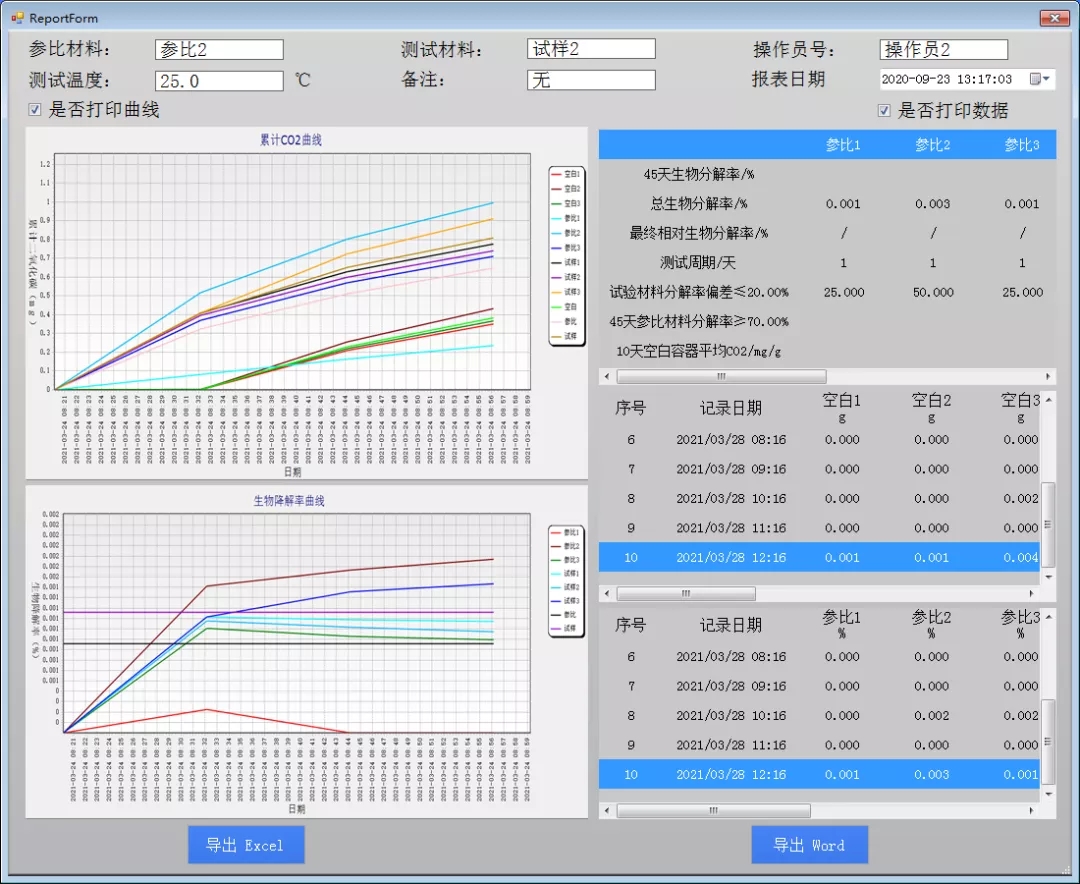
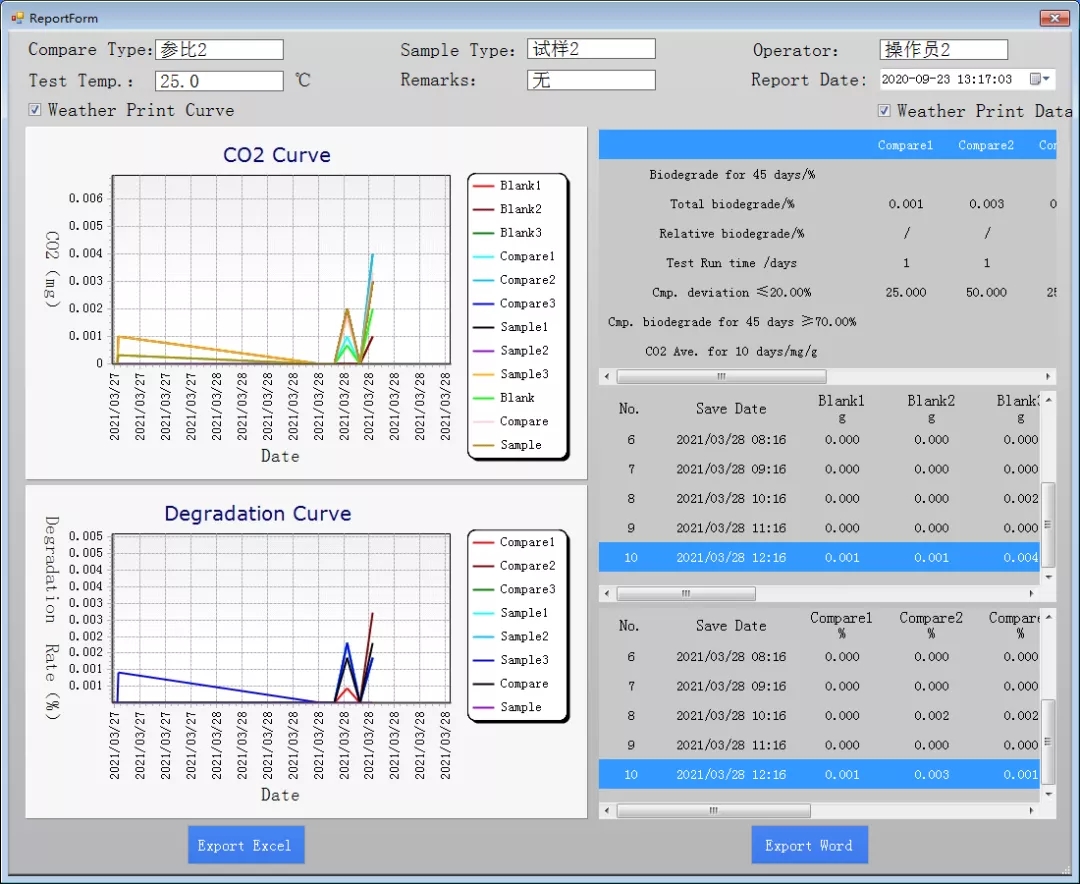
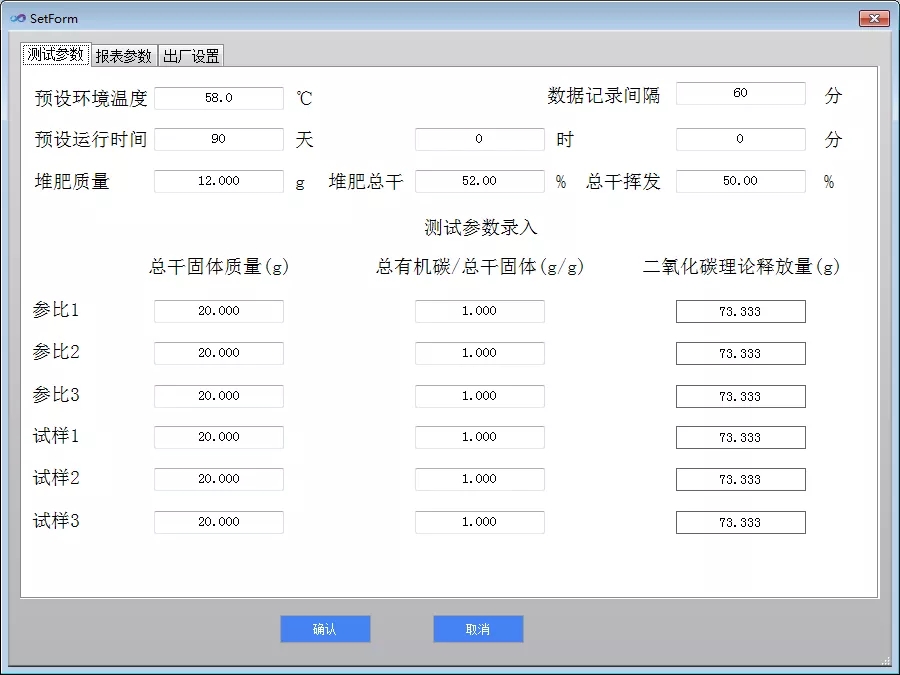
Fully automatic electronic measurement mode with a large screen display and bilingual (Chinese/English) interface.
Vertical design with a compact structure and small footprint.
Independent fully automatic control system for real-time data analysis; results can be uploaded to a computer for full-process tracking.
Features three-level user permissions and data audit trail functions for secure data storage.
Allows remote access and experiment tracking via mobile phones and web browsers.
Technical Parameters:
| Parameter | YS-5000SL-9D | YS-5000SL-18D | YS-5000SL-36D |
|---|---|---|---|
| Max. Test Channels | 9 (Independent) | 18 (Independent) | 36 (Independent) |
| Temp. Range & Accuracy | Room Temp + 5℃ to 70℃ ± 1℃ | Room Temp + 5℃ to 70℃ ± 1℃ | Room Temp + 5℃ to 70℃ ± 1℃ |
| Humidity Monitoring | 30% to 95% RH | 30% to 95% RH | 30% to 95% RH |
| Flow Range | 0.01 to 0.5 L/min | 0.01 to 0.5 L/min | 0.01 to 0.5 L/min |
| Infrared CO₂ Monitoring | Range: 0-5.00%, Accuracy: < Class 0.5 | Range: 0-5.00%, Accuracy: < Class 0.5 | Range: 0-5.00%, Accuracy: < Class 0.5 |
| Electrochemical O₂ Monitoring | Range: 0-25% Vol, Accuracy: Class 1 | Range: 0-25% Vol, Accuracy: Class 1 | Range: 0-25% Vol, Accuracy: Class 1 |
| Atmospheric Pressure | Range: 0-120 KPa, Accuracy: 0.2级 | Range: 0-120 KPa, Accuracy: 0.2级 | Range: 0-120 KPa, Accuracy: 0.2级 |
| Flow Monitoring per Channel | 0.01-0.5 L/min, Acc: ±1% FS | 0.01-0.5 L/min, Acc: ±1% FS | 0.01-0.5 L/min, Acc: ±1% FS |
| Standard Reactor Volume | 3000 ml (Others optional) | 3000 ml (Others optional) | 3000 ml (Others optional) |
| Air Humidifier | 1 set | 1 set | 1 set |
| Compost Vessels | 9 units | 18 units | 36 units |
| Imported CO₂ Sensors | 9 units | 18 units | 36 units |
| Imported O₂ Sensors | 1 unit | 1 unit | 1 unit |
| SMC/Dwyer Mass Flow Meters | 9 units | 18 units | 36 units |
| CO₂ Collectors | 9 units | 18 units | 36 units |
| Air Dehumidifier | 1 set | 1 set | 1 set |
| Power Supply | AC 220V, 50Hz, 2KW | AC 220V, 50Hz, 2KW | AC 220V, 50Hz, 4KW |
| Control Cabinet (L×W×H) | 600 × 600 × 1750 mm | 600 × 600 × 1750 mm | 600 × 600 × 1750 mm |
| Main Unit Size (L×W×H) | 1000 × 710 × 1750 mm | 1000 × 710 × 1750 mm | 2000 × 710 × 1750 mm |
| Weight | Approx. 120 kg | Approx. 120 kg | Approx. 240 kg |